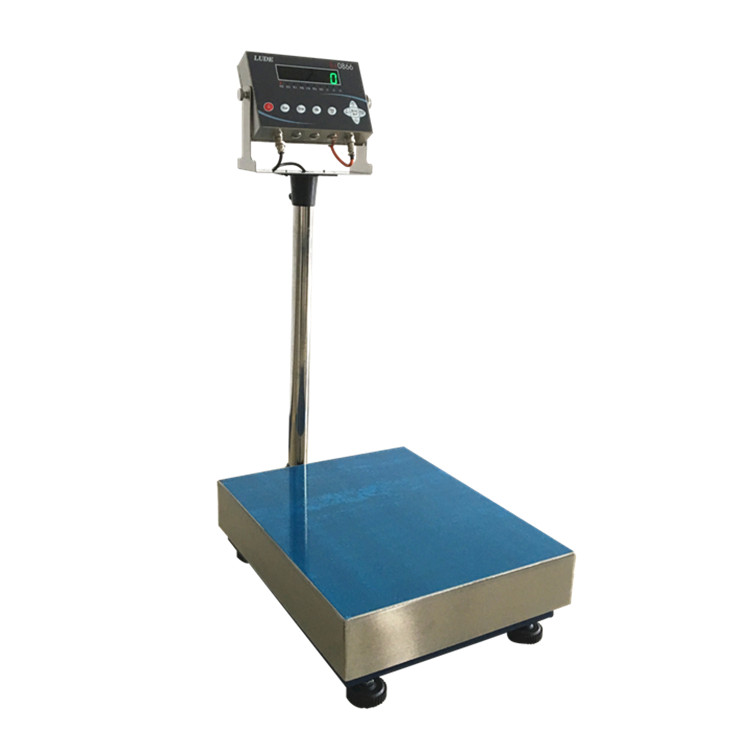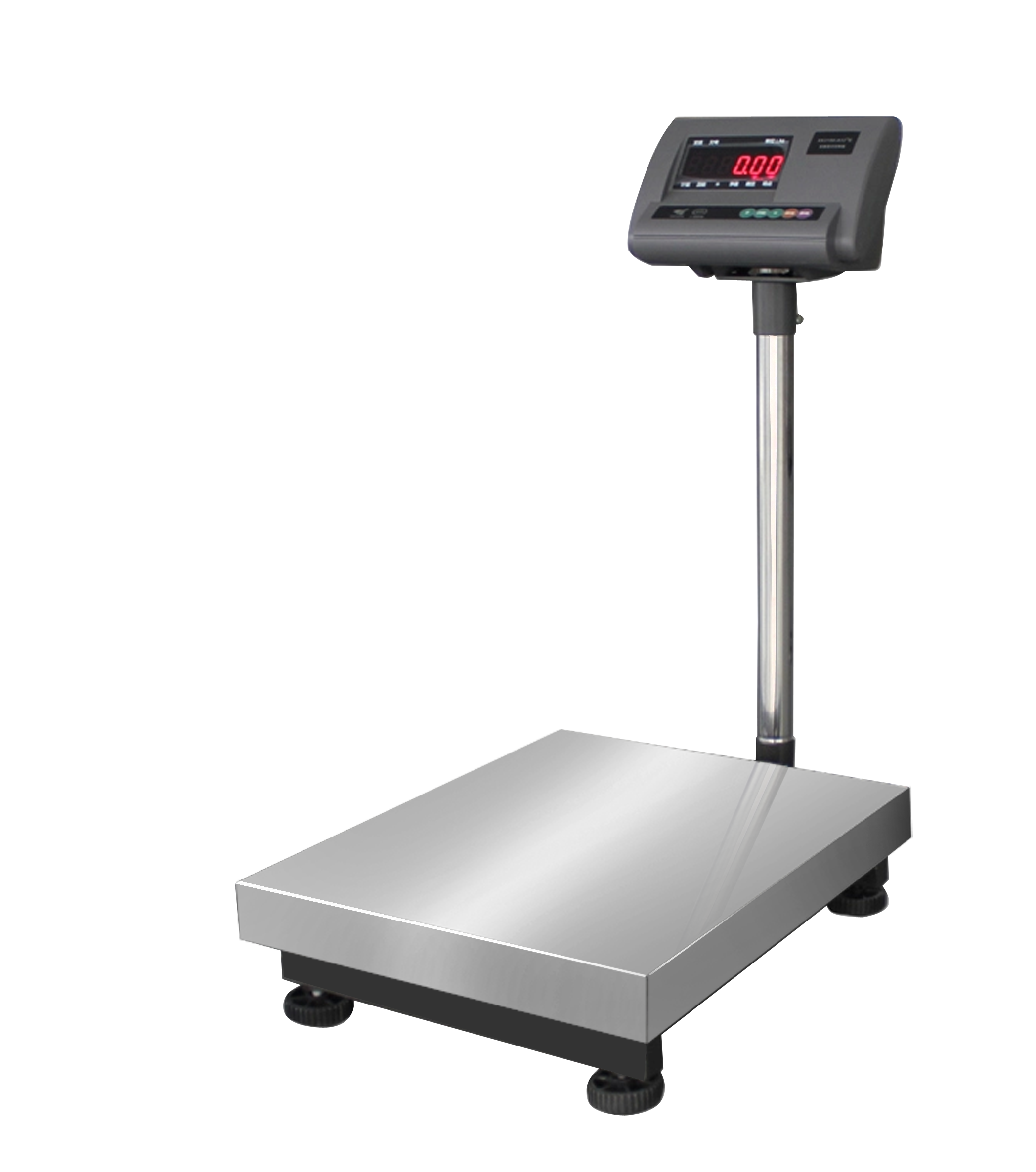
When an object is placed on the weighing pan, pressure is applied to the sensor, the sensor is deformed, so that the impedance changes, and the excitation voltage is changed at the same time, then it outputs a changing analog signal. The signal is amplified by the amplifier circuit and output to the analog-to-digital converter. It converted into a digital signal that is easy to process, and the digital signal outputs to the CPU operation control. The CPU outputs this result to the display according to keyboard commands and programs. Until this result is displayed.
Electronic scales, just like the ordinary electronic equipment. Firstly we must understand the usage of each button on the instrument (see the manual for details). We should be familiar with the basic functions such as zero, peel, clear, print, etc. Electronic scales are measuring instruments. Before weighing, we must know the measuring range and the division value to avoid overloading of the object, causing the sensor to be crushed; secondly, ensure that the weighing platform is placed horizontally; and place the item as much as possible in the center of the weighing platform, and gently place it in the center of the weighing platform.
Usually, we should maintain the electronic scales. Different brands of electronic scales is operated differently, but the basic principles are the same. There are many things that should be noticed during operation. Mainly pay attention to moisture-proof and waterproof measures for sensors, instruments, and junction boxes. If there is a mechanical failure, check the limit of the scale regularly. If there is friction and jam between the scale and the limit, please adjust the limit value to achieve the best weighing state. In addition, when the electronic scale is not used for a long time, it should be charged every three months to avoid battery damage.